Learn to dive
Basic Diver vs Open Water: Which Should You Choose?
One day to try scuba, or a course towards certification? Start with the diving you want to do afterwards.
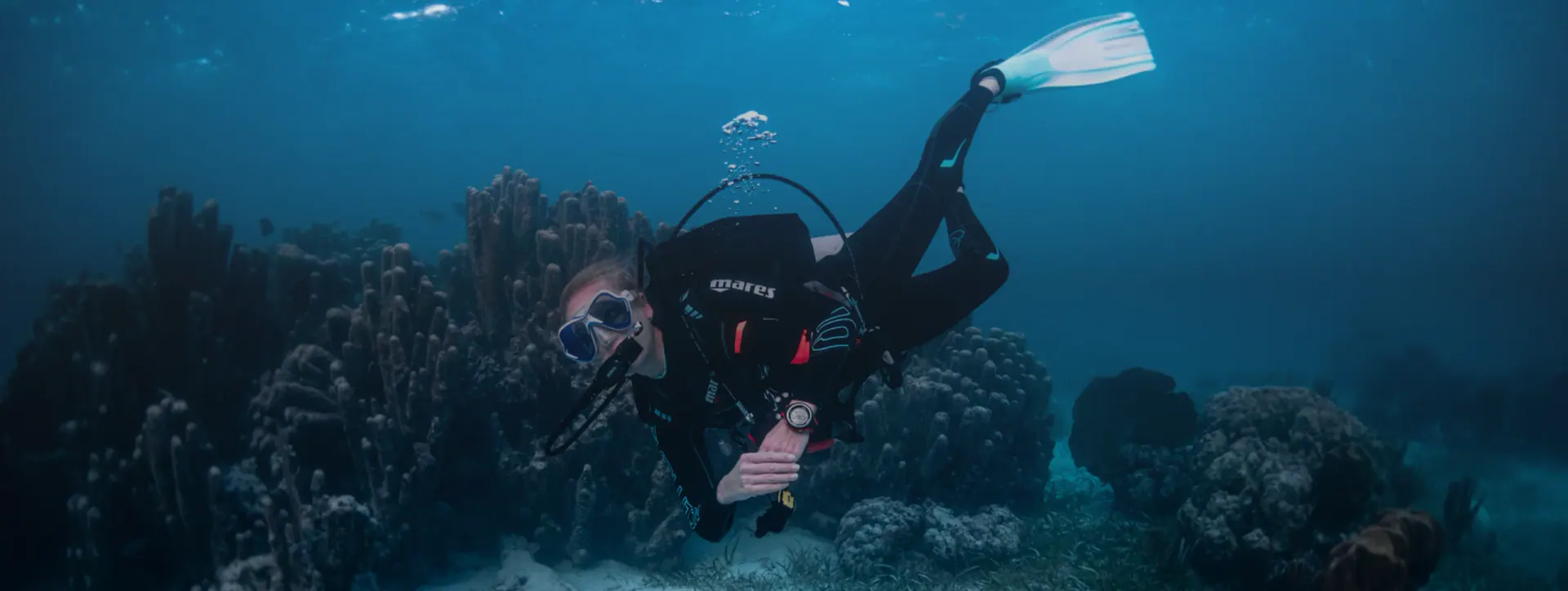
Choose Basic Diver if you want a first scuba experience with an instructor. Choose Open Water if your goal is an entry-level diving certification and you have time for the full training. Both can be part of a Koh Lanta holiday, but they lead to different outcomes.
The useful starting question is what you want from this trip: one memorable day underwater, or the beginning of a skill you can use on future holidays. Your available dates, water confidence and willingness to study help turn that answer into a practical choice.
Compare the outcome first
An introductory experience and a certification course can both include a boat and a reef. That does not make the training interchangeable. Ask what you will have completed by the end, and what further training you would need before your next kind of dive.
| Program | Main goal | What comes next |
|---|---|---|
| SSI Basic Diver | Try scuba with an SSI Professional | Consider certification if you enjoy the experience |
| SSI Scuba Diver | Train for diving under professional supervision | Complete the remaining requirements to upgrade to Open Water |
| SSI Open Water Diver | Complete entry-level certification training | Build experience with a qualified buddy, within your training and conditions |
When Basic Diver makes sense
Perhaps you already have a beach holiday planned and want one day of something different. Or you like the idea of diving but want to find out how the equipment and underwater environment feel before choosing a longer course. Those are sensible reasons to consider SSI Basic Diver.
SSI describes Basic Diver as an introduction with a professional, with a maximum program depth of 12 metres. It is not the same qualification as Open Water. Discuss swimming confidence and any required forms before confirming the day; a short program still includes preparation and practical training.
When to choose Open Water
If you already know that you want to learn, you do not have to take an introductory experience first. You can discuss joining Open Water Diver directly. Nice Dive Club currently lists a three-day program, with preparation and digital learning to arrange before the in-water schedule.
Allow room for learning rather than treating the final day as a deadline to obtain a card. Progress depends on completing the requirements. You might need extra practice, and weather can change a boat plan. Our guide to how many days to allow explains how to fit training around your travel.
Where Scuba Diver fits
SSI Scuba Diver is a separate certification for diving with professional supervision. It can be worth discussing if your schedule is shorter and that supervised style matches your plans. It is not simply another name for Basic Diver.
If you want Open Water eventually, ask the instructor to compare the full course with a staged route. That conversation should include the remaining training, documentation and total costs. Choosing the shortest option now is not always the most convenient route across two holidays.
Questions to answer before you book
Send the team your arrival and departure times, which program interests you and whether you have tried scuba before. Check the current course page for the price and inclusions, then request confirmation for your own dates. If you are still deciding whether to go underwater at all, compare snorkeling and scuba first.
- Is the goal a first experience or certification?
- How much time is available for study, practice and boat days?
- Are there swimming, age or documentation requirements to discuss?
- What is included in the quote, and which fees are separate?
- How will the last dive fit around onward travel?
Sources & further information
Program and travel sources checked on 10 November 2026. Confirm current arrangements with the team before booking.
Find your first diving program
Compare the current programs, then tell us your dates and what you would like to achieve.